
They had no labs. They had time.
Ancient cultures observed the human body across generations.
Here is what they found

Simple hacks to avoid modern stress
Modern life has made stress feel normal. Endless notifications, packed schedules, and constant connectivity keep our minds in a state of low-grade alertness. While stress can't be eliminated, it can be managed. Understanding how it affects the body and adopting simple, intentional habits can help you regain focus, calm, and control in an increasingly demanding world.
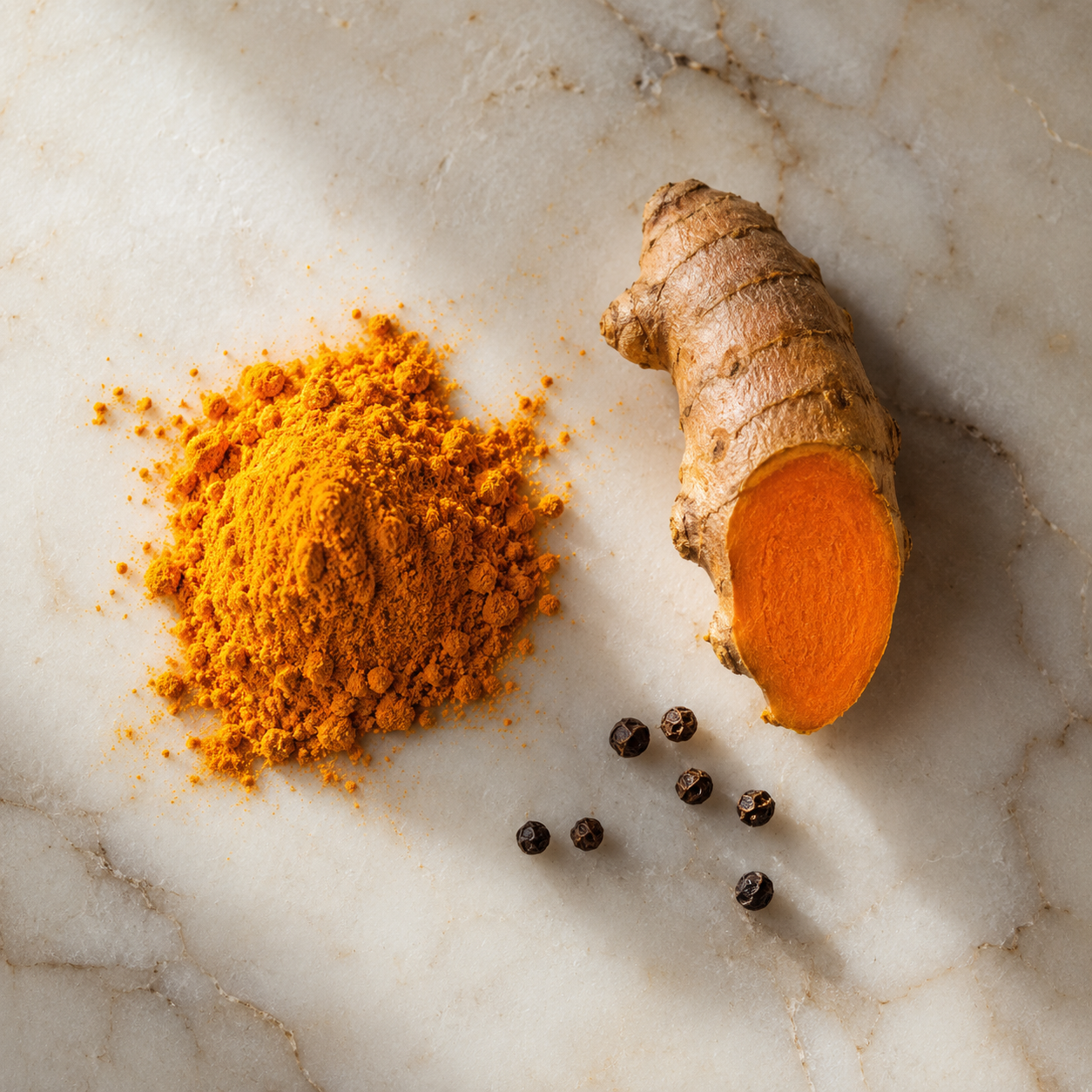
History of Turmeric and what can we gain from its knowledge
Ancient India applied turmeric to skin, food, milk and ritual for 4,000 years. Modern science has now confirmed every application. Here is the full story.
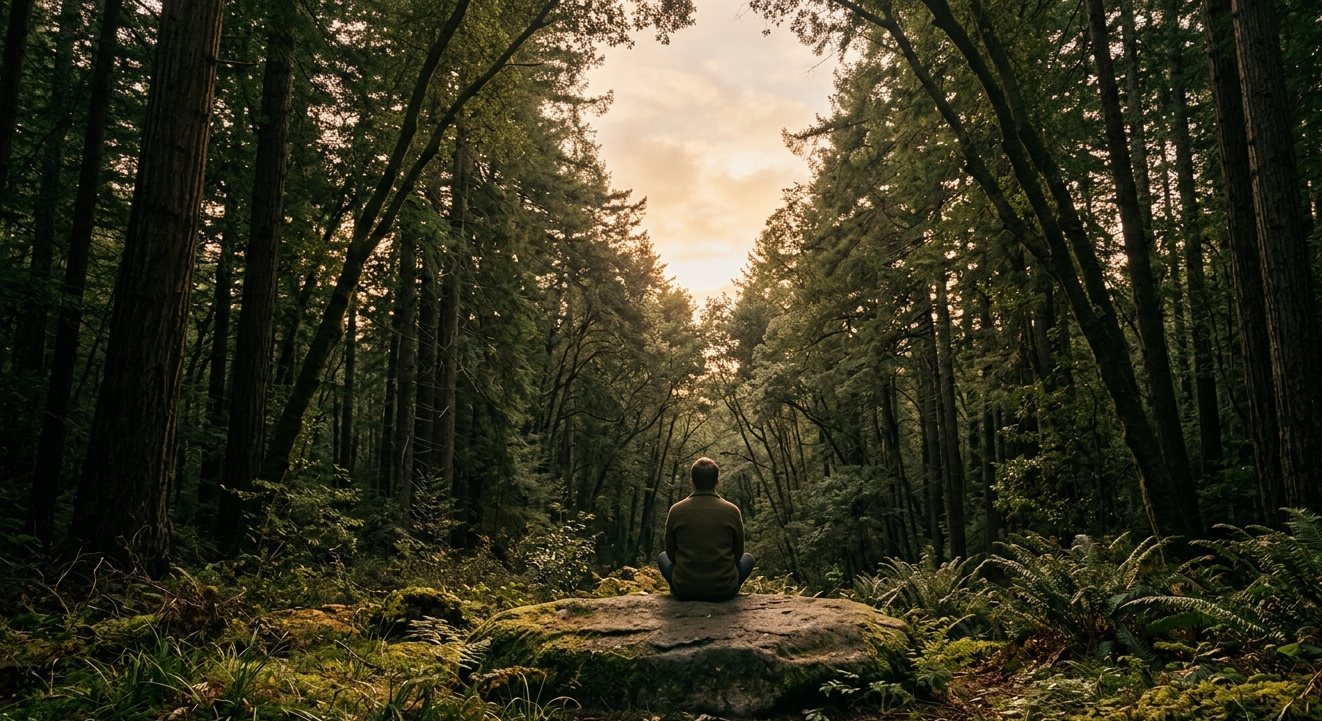
Why do we feel calmer in nature ? The science behind this ancient prescription
For 300,000 years the our brains evolved inside forests. Birdsong, fractal trees, forest air, and open sky are not recreation. They are the sensory inputs on which our nervous system was built upon. Many ancient cultures prescribed time daily time in nature essential for health.

Your Body Is Talking. Your Cravings Are the Translation.
Why do you suddenly crave salty snacks or sweet treats? According to Ayurveda, cravings are your body asking for balance. Dive into the ancient science of Shad Rasa (the six tastes) to decode what your food cravings really mean and how you can use them to optimize your health.
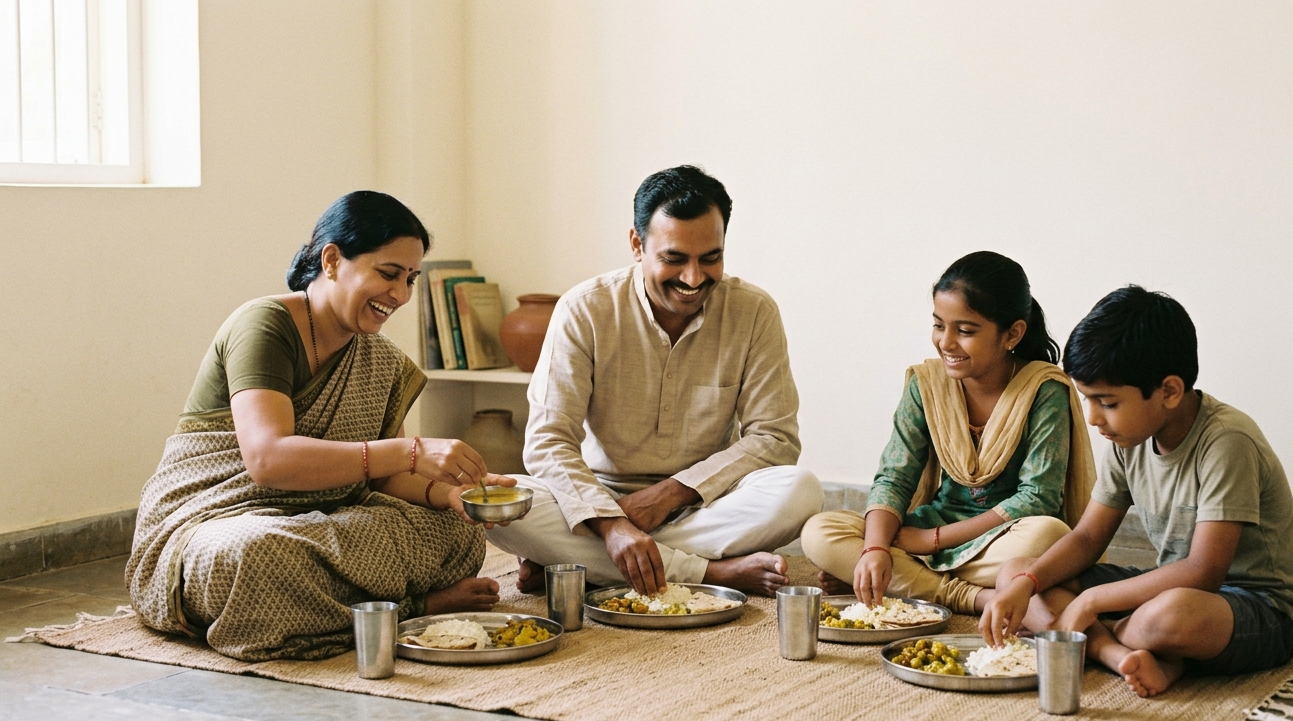
Why Do Indians Sit on the Floor to Eat? The Science Behind the Tradition
Floor sitting activates 40% more core muscle than a chair, redirects blood flow to the gut, stimulates the vagus nerve, and — according to a longitudinal study of 2,002 adults — predicts how long you will live. Ancient India called it Sukhasana. Science calls it remarkable.
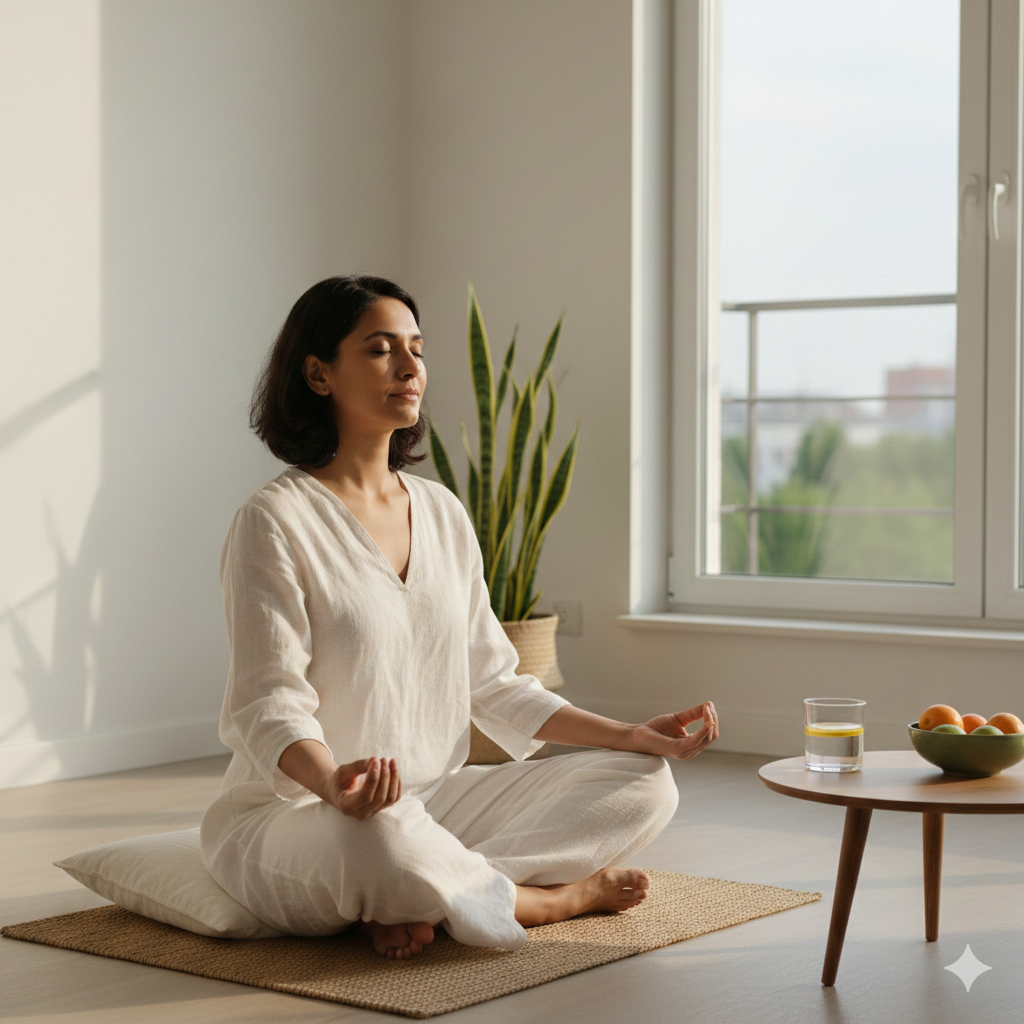
Dawn Rituals of The Ancient World
Ancient morning rituals from India and Japan — Tulsi water, Asa Sanpo morning walks and the circadian rhythm science behind them
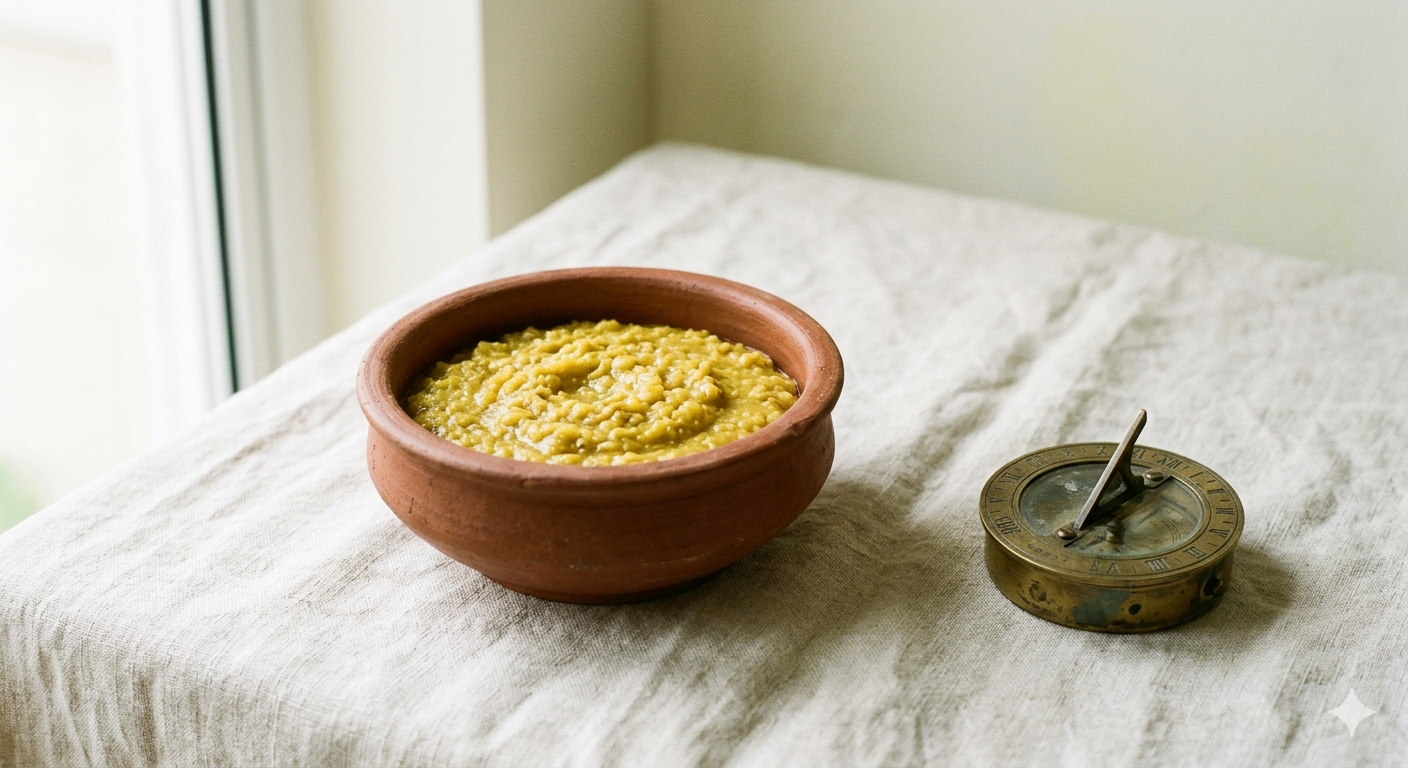
The Sacred Hearth: Why Ancient Traditions Forbid Continuous Eating
Vishamashana, Agni, the Migrating Motor Complex and why irregular eating creates Ama — the ancient and scientific case for eating on a clock
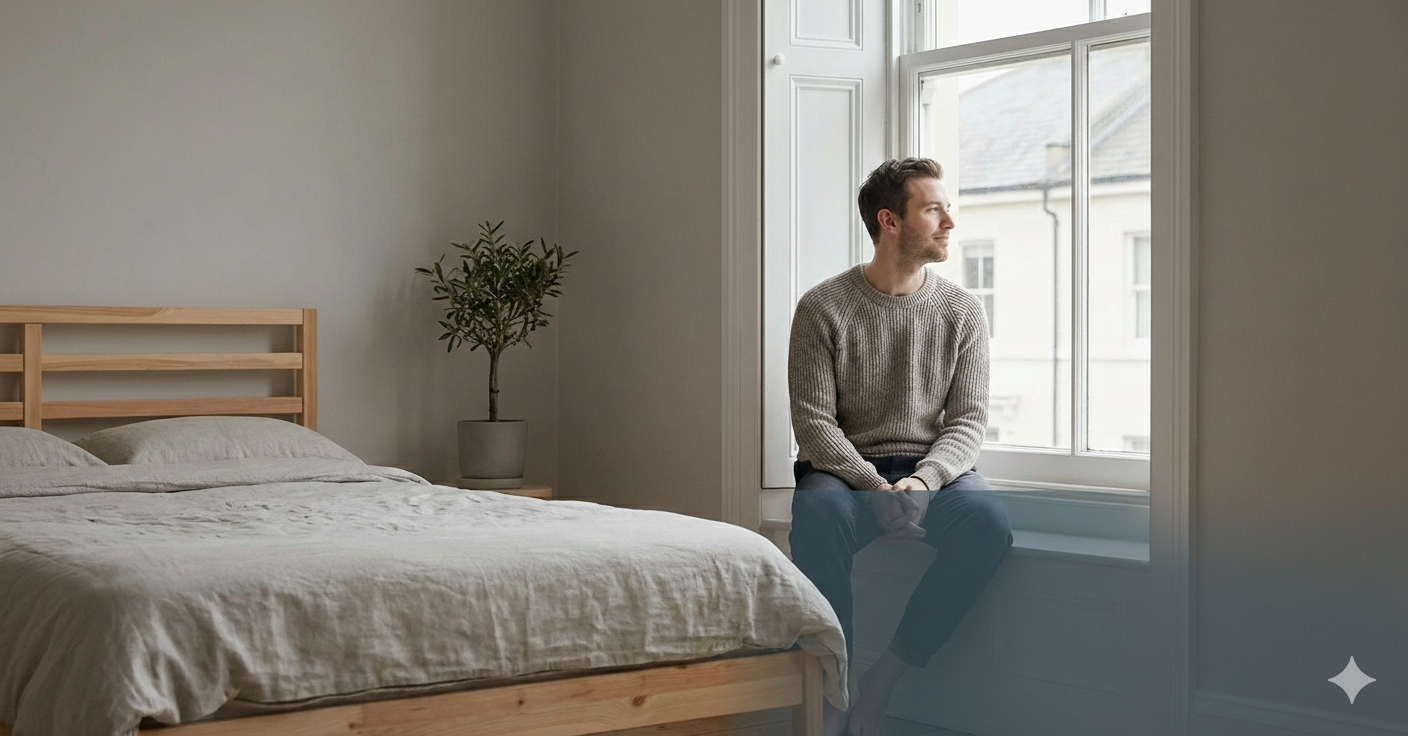
Sleep The Ancient Way
Ancient Ayurvedic sleep rituals — Bhramari Pranayama, Padabhyanga and the science of deep sleep and REM cycles