
History of Turmeric and what can we gain from its knowledge
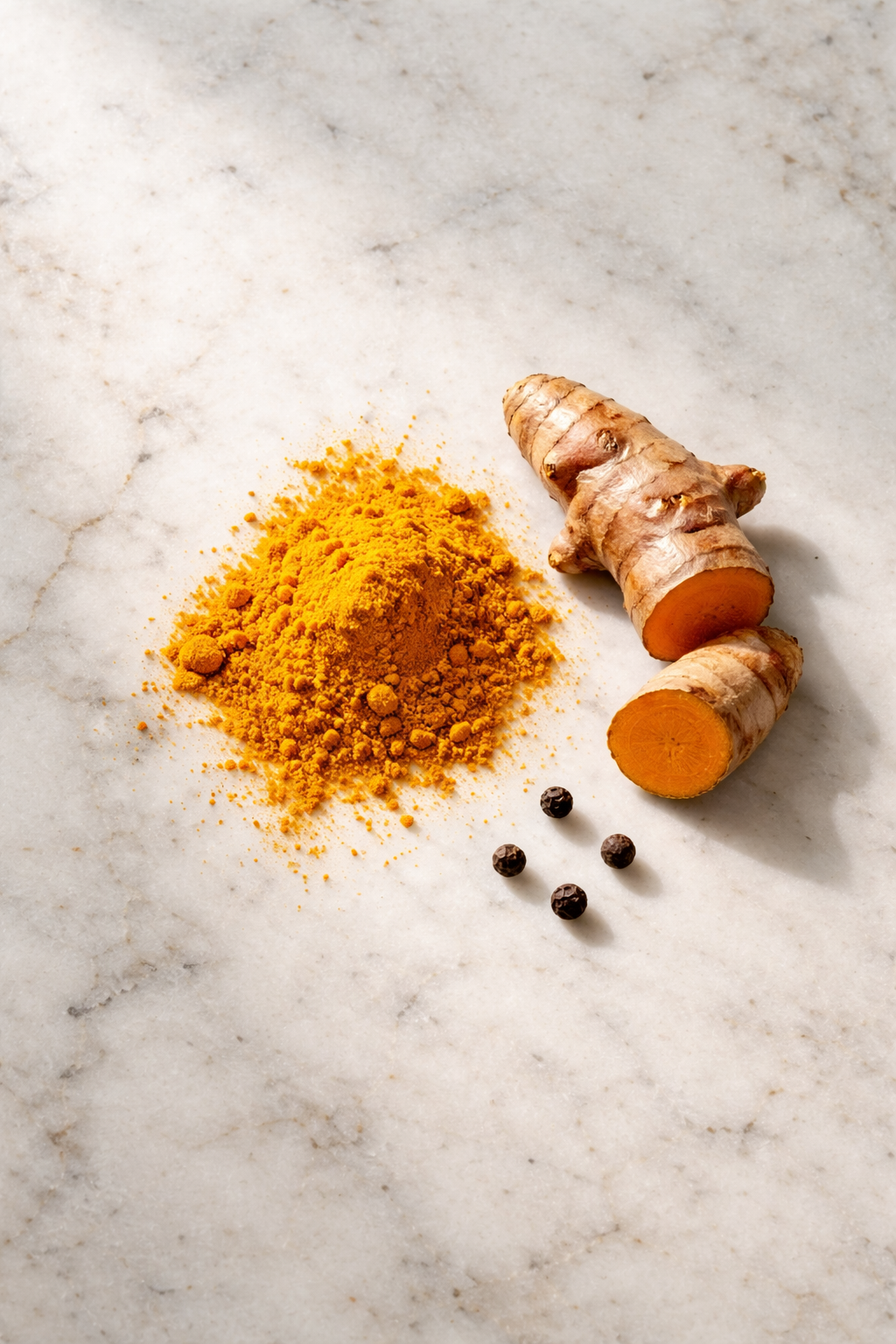
A common spice which is present in every ancient household is Turmeric or what we call as Haldi.
Not only it enhances taste of your food, but it has anti-inflammatory properties which can really have an healthy effect on your body.
Ancient India prescribed it for inflammation, infection, skin health, digestion, wound healing, and sleep. Modern biochemistry has since identified the molecular mechanisms behind each of these applications
Why is turmeric not consumed alone?
Turmeric by its nature has poor bio-availability. It is rapidly eliminated by body when consumed alone.
Traditional Indian cooking maximizes the health benefits of turmeric by heating it in oil (or ghee) and pairing it with black pepper.
Here is why this combination is so effective:
Black Pepper: Contains a compound that stops your body from breaking down curcumin (the active part of turmeric), boosting its absorption by up to 2,000%.
Oil or Ghee: Curcumin dissolves in fat, which makes it much easier for your digestive system to absorb.
In short: Fat helps your body dissolve turmeric, while black pepper helps your body keep it.
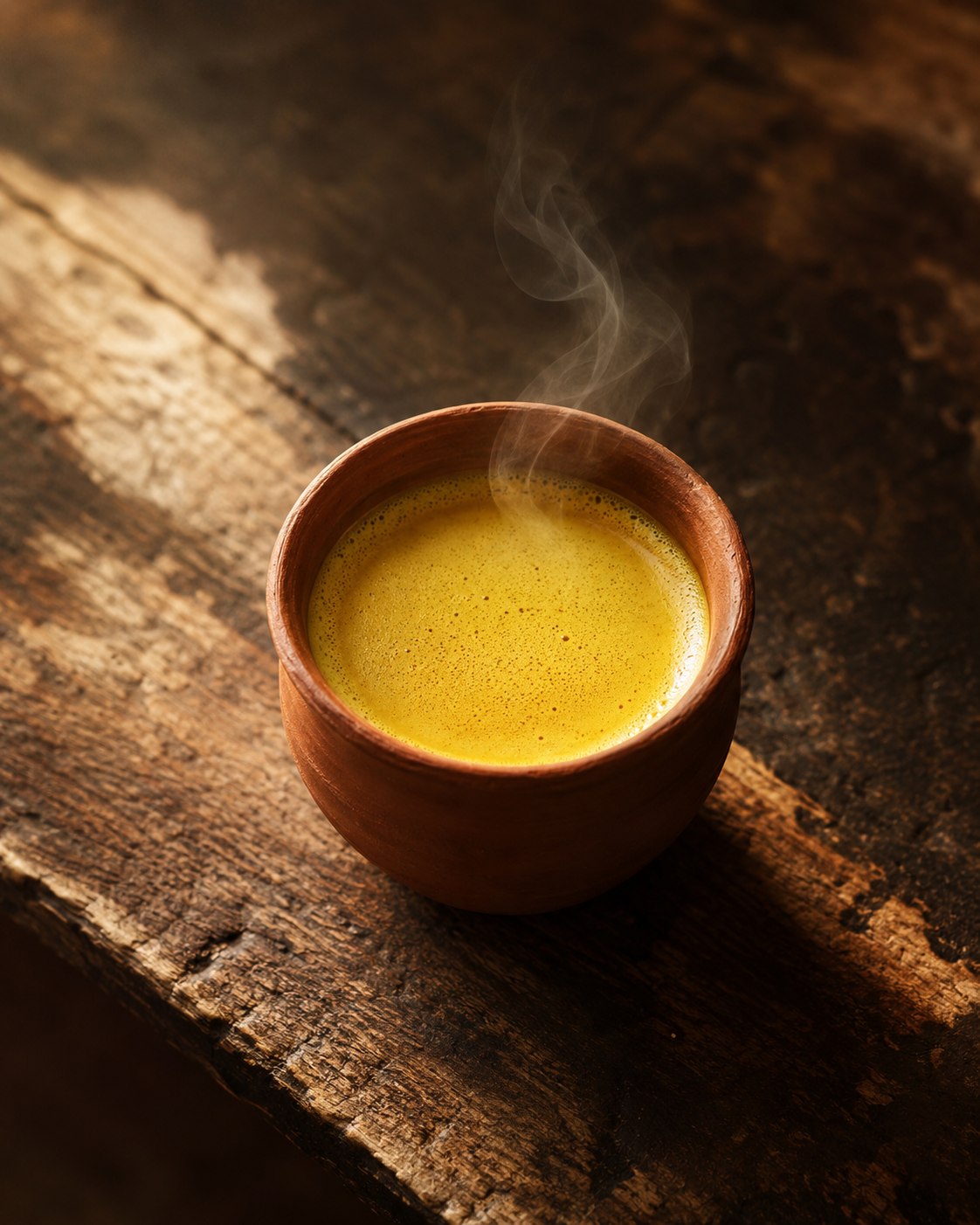
Haldi doodh using Turmeric and Milk
It has been used for generations to boost immunity, soothe colds and respiratory issues, and helps you sleep better at night.
Deep-Rooted Connections to Ancient Rituals
Turmeric's bright yellow color has long been associated with purity, fertility, and prosperity. In Hindu rituals, it is offered to deities for purification and as a symbol of divine blessing.
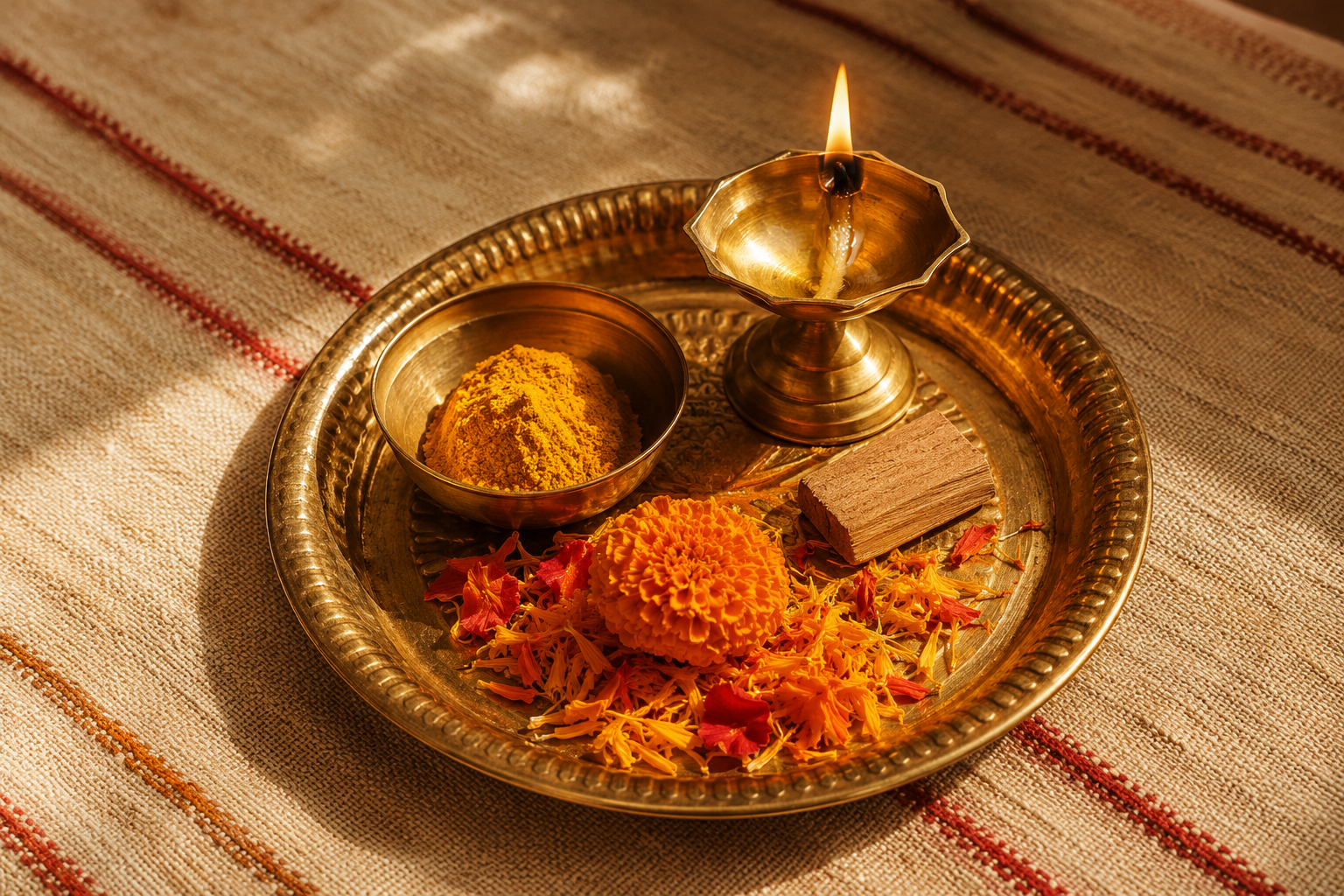
Haldi Ceremony
A pre-wedding ritual in India where a paste of turmeric, sandalwood, and rose water is applied to the bride and groom, dates back thousands of years.
Modern science reveals that applying turmeric provides a powerful antibacterial and anti-inflammatory shield on the skin.
During the course of marriage ceremony, bride and groom had to go through a lot of stress of rituals, disrupted sleep. This Haldi ceremony rejuvenates their skin and make them glow for the functions.
Turmeric's cultural footprint extends to traditional Indian dance, where the paste is applied to the dancers' feet to signify grace and purity. It was even applied to communal temple objects and doorway thresholds to act as a natural surface sanitizer in a world long before disinfectant sprays were invented.
Modern Science Validates Ancient Wisdom
Ayurveda prescribed turmeric for digestion, inflammation, and skin conditions, and modern science has emphatically validated these ancient applications.
Anti-inflammatory & Antioxidant: Curcumin effectively reduces primary inflammatory markers in the body. It also neutralizes free radicals directly and stimulates the body's own antioxidant enzymes, making it a powerful tool against oxidative stress and aging.
Digestive & Liver Health: Turmeric acts as a digestive stimulant. It helps to reduce bloating and indigestion. Additionally, it supports liver function by aiding in detoxification processes.
Skin & Wound Healing: Thanks to its antiseptic and antibacterial properties, turmeric paste has traditionally been used to heal minor cuts, burns, and rashes. It is also known for reducing acne and promoting a radiant skin glow. The wound-healing properties of turmeric are so well-established that a 1995 US patent on a turmeric wound treatment was revoked after it was proven that ancient Indian texts in Sanskrit had documented this knowledge for millennia.
Respiratory Relief: Inhaling turmeric steam or drinking turmeric-infused liquids naturally helps to clear mucus, open airways, and reduce coughing.
Mental Well-being: Curcumin has the rare ability to cross the blood-brain barrier. It has been shown to boost mood-regulating neurotransmitters like serotonin and dopamine, while also reducing neuroinflammation.
Conclusion
From sacred altars to daily meals, ancient India intuitively understood the power of turmeric. Today, through thousands of peer-reviewed scientific studies, we now have the molecular vocabulary to explain why these traditions worked so seamlessly. Turmeric is perhaps the most beautifully validated substance in the history of traditional medicine, proving that the ancient kitchen was, in many ways, the world's first laboratory.
